Summary
A Korean eyelash lift works on short, straight, and downturned lashes, but the results look different for each lash type. Short lashes get a soft, open-eye curl rather than dramatic length, straight lashes hold a gentler bend because they have less natural texture to grip the rod, and downturned lashes usually see the biggest visible change since the lift redirects the angle upward. The outcome depends heavily on rod size, lash condition, and technician skill rather than on the treatment itself.
It is a lash-perming technique that uses a silicone rod and setting solution to reshape natural lashes from the root, creating a curl that lasts through the lash’s natural growth cycle. It is not a substitute for lash extensions, and results vary based on lash length, texture, and how downturned the natural lash angle is to begin with. Most clients see a noticeable lift regardless of starting lash type, though short or very straight lashes may need a smaller rod and a slightly different technique to get the same open, wide-eyed effect.
The Real Reason People Wait Before Getting a Korean Eyelash Lift
If you’ve been putting off a Korean eyelash lift because your lashes are short, poker-straight, or point downward instead of up, you’re not alone. This is one of the most common questions lash artists hear before a first appointment. The good news is that it is designed to work with a wide range of natural lash types, not just the long, curly lashes you see in before-and-after photos online. Results can also vary depending on your natural eye shape, which is exactly why the rod size and application method matter so much.
At EMME Lash Bar, this question comes up almost daily across our Massachusetts locations, from Newton to Brookline to Cambridge. Clients often assume their lashes are “too difficult” for a lift, when in reality most lash types respond well once a technician adjusts the approach. Below, we’ll walk through exactly what happens with short, straight, and downturned lashes, what affects your results, and how to know if this treatment is right for you.
Every Korean eyelash lift at EMME Lash Bar begins with an individual lash assessment. Our technicians evaluate lash length, growth direction, density, and overall lash health before selecting the rod size and processing time, ensuring the treatment is tailored to each client rather than using a one-size-fits-all approach.
What Is a Korean Eyelash Lift?
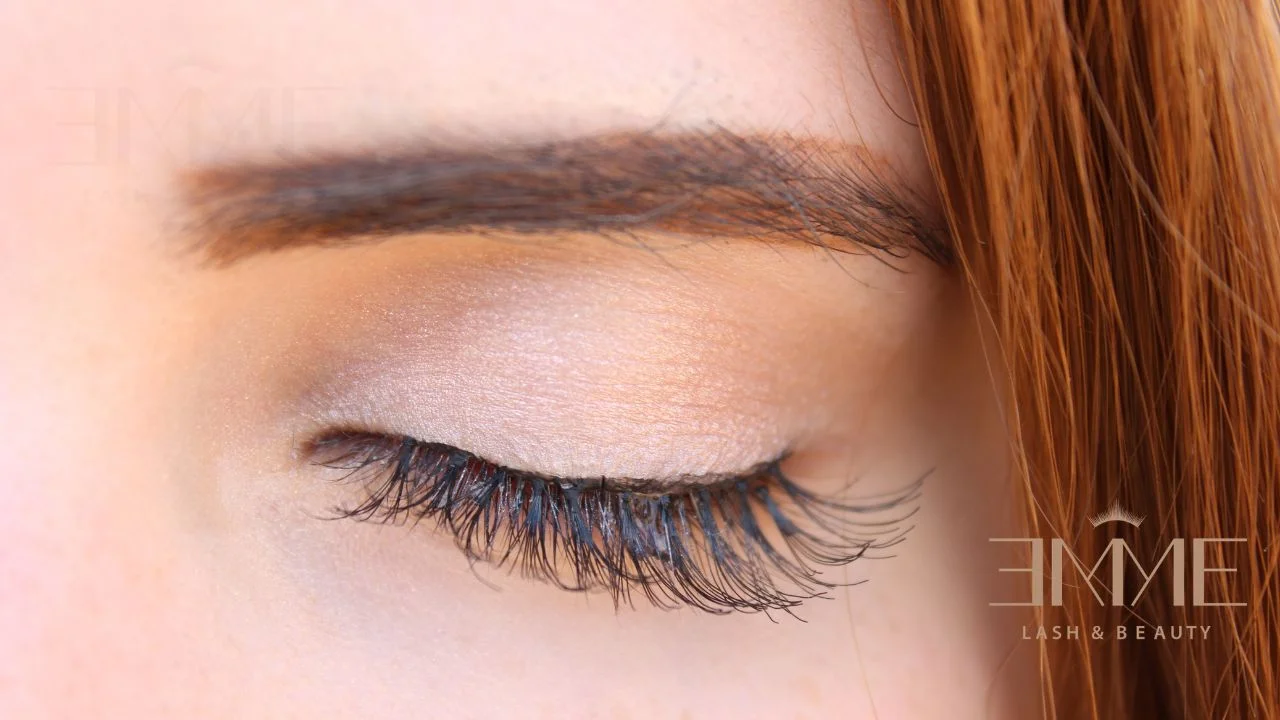
This lash-perming service curls and lifts your natural lashes at the root using a small silicone or foam rod, a lifting solution, and a setting solution. Unlike lash extensions, nothing is added to your lashes. The treatment simply reshapes what you already have, so the result still looks like your own lashes, just curled and lifted for weeks at a time.
The technique originated as a refinement of the traditional lash lift, with a focus on a softer, more natural-looking curl and a rod placement method that sits closer to the base of the lash. This base placement is part of why the treatment tends to open the eyes more visibly than older lash-lift methods, especially for clients whose lashes grow flat or point downward.
How Our Technicians Customize Every Lift
At EMME Lash Bar, no two lash lifts are performed the same. Our technicians adjust rod size, solution timing, and lifting technique based on your natural lash condition, helping create results that look balanced and natural instead of overly curled.
How It Differs from a Traditional Lash Lift
A traditional lash lift often uses a larger, more rounded rod that creates a curl starting mid-lash, similar to what an eyelash curler does. This method uses a smaller, flatter rod positioned nearer the lash root, which lifts the lash from where it grows rather than bending it partway up. This root-level lift is the reason many clients with straight or downturned lashes see a more dramatic change with the Korean method compared to a standard lift.
How a Korean Eyelash Lift Works on Different Lash Types
Not every lash type responds the same way, and a good technician will adjust rod size and processing time based on what they see during your consultation.
Short Lashes: What to Expect
Short lashes can absolutely hold this lift, but the visual effect is different from what you’d see on longer lashes. Instead of a dramatic sweeping curl, short lashes typically get a soft upward lift that opens the eye and makes the lash line look more defined. Technicians usually reach for a smaller rod size for shorter lashes, since a larger rod can overcurl short lashes and create an unnatural, overly rounded shape.
If your lashes are on the shorter side, it also helps to mention this during booking so your artist can select the right rod from the start rather than adjusting mid-service. This is one of the most common lash types we work with across our Massachusetts locations, and choosing the correct rod size often makes a greater difference than lash length itself.
Straight Lashes: Can They Hold a Curl?
Yes, straight lashes can hold a curl from the treatment, though the curl may relax slightly faster than it would on lashes with more natural texture. This is simply because straight lashes have less inherent bend to begin with, so the setting solution has to do more of the work to create and hold the new shape.
To get the most out of the treatment on straight lashes, technicians often extend processing time slightly and choose a rod size that creates enough tension without overprocessing the lash hair, which can lead to a limp curl by week two or three. Our technicians often adjust processing time slightly for naturally straight lashes to help create a longer-lasting lift while protecting lash health.
Downturned Lashes: Does It Lift the Angle?
Downturned lashes tend to see the most noticeable transformation from this lift. Because the treatment reshapes the lash from the root, it directly addresses the downward angle rather than just adding curl on top of it. Many clients with downturned lashes describe the result as looking like they’ve had a mini eye lift, simply because the lash line is no longer pointing down and shadowing the eye.
This is also where rod placement matters most. A technician needs to position the rod carefully at the base to redirect the angle without pulling the lash into an unnatural curve. Many first-time clients with downturned lashes tell us they’re surprised by how much brighter their eyes appear after the treatment simply because the lashes are lifted from the root.
Quick Overview
| Lash Type | Expected Result | Technician Adjustment |
| Short | Soft Lift | Smaller rod |
| Straight | Defined Curl | Longer processing time |
| Downturned | Maximum Lift | Root placement |
While lash type plays an important role, it’s only one factor that influences your final results. Your natural lash health, rod selection, and aftercare routine all contribute to how your lift looks and how long it lasts.
Factors That Affect the Final Result
Several variables influence how your lashes will look after the treatment, and understanding them helps set realistic expectations.
Lash Length and Density
Longer, denser lashes tend to show a more dramatic curl simply because there’s more lash to lift. Shorter or sparser lashes still lift well, but the change may be more subtle and focused on opening the eye area rather than adding visible length or fullness. Clients looking for more volume alongside a lift sometimes explore a volume eyelash extension instead, which is a separate treatment worth discussing with your lash artist if fullness is your main goal.
Rod Size Selection by the Technician
Rod size is one of the biggest factors in how natural or dramatic your lift looks. A smaller rod creates a tighter, more defined curl, while a larger rod produces a softer, more open curve. An experienced technician will choose the rod size based on your natural lash length, texture, and the angle you’re starting with, not a one-size-fits-all approach.
One of the biggest mistakes we see is assuming a tighter curl always creates a better result. In reality, selecting the correct rod size for your natural lash length produces a softer, healthier-looking lift that lasts longer.
Natural Lash Growth Cycle
Your lashes grow and shed in cycles, and the lift only affects the lashes that are actively in place at the time of your appointment. As new lashes grow in without the lift, the overall curl will look slightly less uniform over time, which is completely normal and part of why most clients schedule touch-ups on a regular basis.
Who Is Not a Good Candidate for a Korean Eyelash Lift?
While most lash types respond well, this lift isn’t recommended for everyone. Clients with active eye infections, recent lash extensions still in place, or extremely brittle and damaged lashes should wait until lashes are healthier before booking. Those with very few natural lashes due to over-plucking, medical conditions, or previous lash damage may see limited results and could benefit from a consultation first to discuss realistic outcomes.
Anyone with a known sensitivity to perming solutions or a history of allergic reactions to salon chemicals should also disclose this before their appointment so the technician can patch test or recommend an alternative.
If our technicians believe your natural lashes are too fragile for a lift, we’ll recommend waiting until lash health improves rather than performing a treatment that may compromise your natural lashes.
People with active eye infections or recent eye surgery should seek advice from their healthcare provider before any cosmetic eye treatment.
How Long Does It Last on These Lash Types?
This treatment typically lasts six to eight weeks regardless of lash type, since this timeline is tied to the natural lash growth cycle rather than the treatment itself. Short and straight lashes may show slight relaxation in the curl by week four, while downturned lashes tend to hold their new angle a bit longer since the change happens closer to the root. Regular touch-ups keep the effect consistent, especially for anyone comparing this to the maintenance schedule of an eyelash extensions refill, which follows a similar cycle of natural growth and gradual fallout. Following a proper lash aftercare routine, similar to what’s recommended for caring for full volume lash extensions, also helps the curl hold longer between visits.
Book Your Korean Eyelash Lift Consultation
Whether your lashes are short, straight, downturned, or somewhere in between, this treatment can be adjusted to work with what you naturally have. At EMME Lash Bar, our technicians assess lash length, texture, and angle before every appointment, choosing rod size and processing time based on your specific lashes rather than applying the same approach to everyone. If you’re also considering a fuller brow to match, many clients ask about combining this with an eyebrow lamination during the same visit for a more complete refresh.
If you’re ready to see what this treatment can do for your natural lashes, book a consultation at your nearest EMME Lash Bar location in Newton, Burlington, Dedham, Brookline, Cambridge, or South Boston, and let a technician map out the right approach for your lash type.
FAQs
1. Can a Korean eyelash lift really work on very short lashes?
Yes. A Korean eyelash lift can create a noticeable lift on short lashes by curling them from the root, although the result is usually a natural, eye-opening effect rather than added length. At EMME Lash Bar, our technicians choose smaller rod sizes for shorter lashes to achieve the best possible lift.
2. Is a Korean eyelash lift suitable for naturally straight lashes?
Absolutely. Straight lashes respond well to a Korean eyelash lift because the treatment reshapes the lashes from the base. While very straight lashes may relax slightly sooner, proper rod selection and processing time help create longer-lasting results.
3. Will a Korean eyelash lift make downturned lashes look more lifted?
In most cases, yes. Because the lift starts at the lash root, it redirects the natural growth angle upward, making the eyes appear more open and awake. Many clients with downturned lashes notice one of the biggest visual improvements after treatment.
4. How long does a Korean eyelash lift last on short or straight lashes?
Most Korean eyelash lifts last between six and eight weeks, depending on your natural lash growth cycle. Following proper aftercare, such as avoiding water for the first 24 hours and using a lash serum, can help maintain the results.
5. Is a Korean eyelash lift better than a traditional lash lift for straight or downturned lashes?
Many lash artists prefer the Korean technique because it focuses on lifting the lashes from the root rather than creating a curl through the middle of the lash. This often produces a more natural-looking and eye-opening result for straight or downward-growing lashes.
6. Can I still get a Korean eyelash lift if I have sparse or thin lashes?
Yes, although the final result depends on the number and condition of your natural lashes. During your consultation, your technician will assess your lash health and explain what level of lift you can realistically expect.
7. Does rod size really affect the final results?
Yes. Choosing the correct rod size is one of the most important parts of the treatment. A rod that’s too large may not lift shorter lashes effectively, while one that’s too small can create an overly tight curl instead of a soft, natural lift.
8. What should I avoid after getting a Korean eyelash lift?
For the first 24 hours, avoid getting your lashes wet, using steam rooms, or applying waterproof mascara. Following your technician’s aftercare advice helps the lift set properly and keeps your lashes looking their best for longer.
9. Can I combine a Korean eyelash lift with eyebrow lamination?
Yes. Many clients choose to have both treatments during the same appointment because they complement each other well, creating a more defined yet natural-looking eye area. Your technician can confirm whether both services are suitable for you.
10. How do I know if I’m a good candidate for a Korean eyelash lift?
Most people with healthy natural lashes are suitable candidates, including those with short, straight, or downturned lashes. A professional consultation is the best way to determine the right rod size, lifting technique, and expected results based on your individual lash type.
